


How to light up your home
Good lighting will allow us to transform each of our interior spaces and enhance its expressiveness. Discovere the different types of interior lighting.

Good lighting will allow us to transform each of our interior spaces and enhance its expressiveness, emphasizing those places that we would like to highlight.
Warm light sources tend to relax and make us feel at ease, while cold light sources tend to stimulate us. Next, we show you four different categories of lighting types:
GENERAL LIGHTING
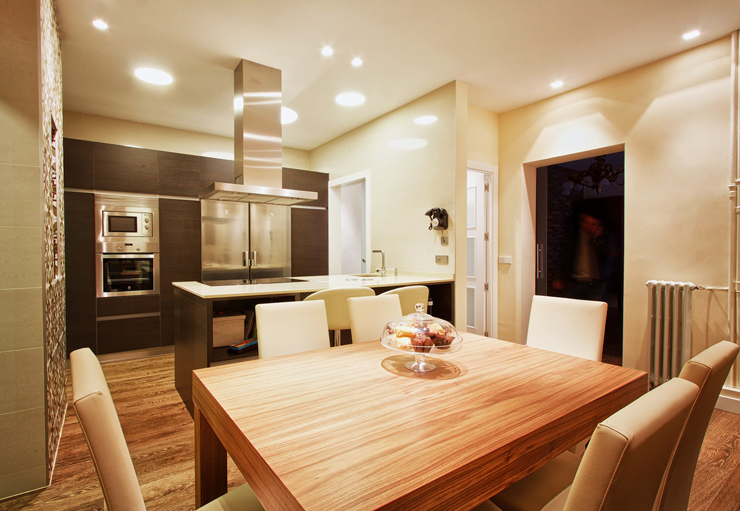
It is merely functional. It is usually achieved by ceiling lamps. It is advisable to use several light sources instead of a single one. This type of lighting can be controlled by intensity regulators, in this way we can regulate both the intensity and the vitality of the space.
POINT LIGHTING
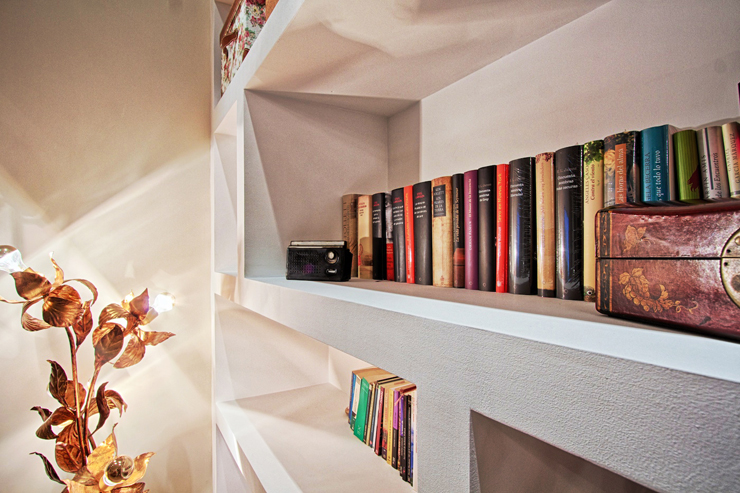
This type of lighting is more intense and aims to highlight or focus a particular object or area. It is aimed at a specific point in the room, be it the dining room table, the headboard of the bed, etc., leaving the rest in shadow. Generally, floor or table lamps are used for those areas intended for reading and writing.
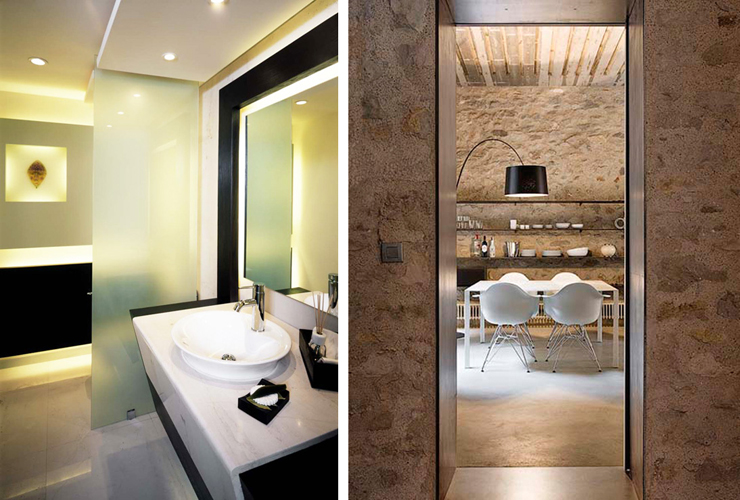
The relationship between this type of lighting and general lighting has to be complementary, seeking a balance to avoid excessive contrasts.
EXPOSURE LIGHTING
This type of lighting is more oriented to create a stage or theatrical effect than to the practicality of illuminating the entire space. We could call it "protagonist lighting" as it becomes the center of attention or focus. You can search for colors or themes to give that special touch, and use resources such as warm lamps distributed in different spaces, such as shelves or tables. Spotlights that project moving shapes are also often used.

DECORATIVE LIGHTING
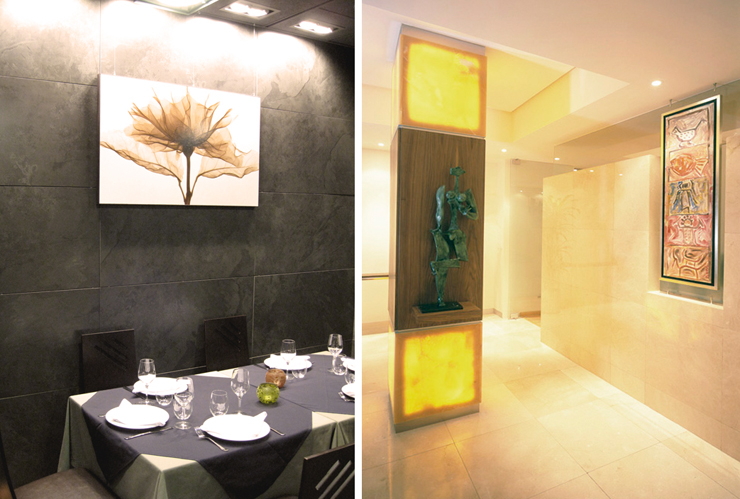
This lighting is used to highlight details and illuminate a certain object such as a painting, a sculpture or a plant. It differs from the previous lighting since the light serves to make the object the protagonist, which would be the true center of attention.
Unlike natural lighting, artificial lighting has the ability to be regulated according to our intentions and needs. When thinking about good lighting, some questions should be asked, such as: where, why and how much light should be projected. Following these tips, we can create different light scenes in each of the interior spaces of our home.
Fuente: arquitectosmadrid20